

2026 Sydney buyer guide · evidence checked 5 August
Are energy-efficient air conditioners worth the extra cost?
Yes, an energy-efficient air conditioner is usually worth the extra cost when an Air Conditioner Installer Sydney specialist sizes and installs it well, and you use it often enough to earn back the premium through lower running costs.
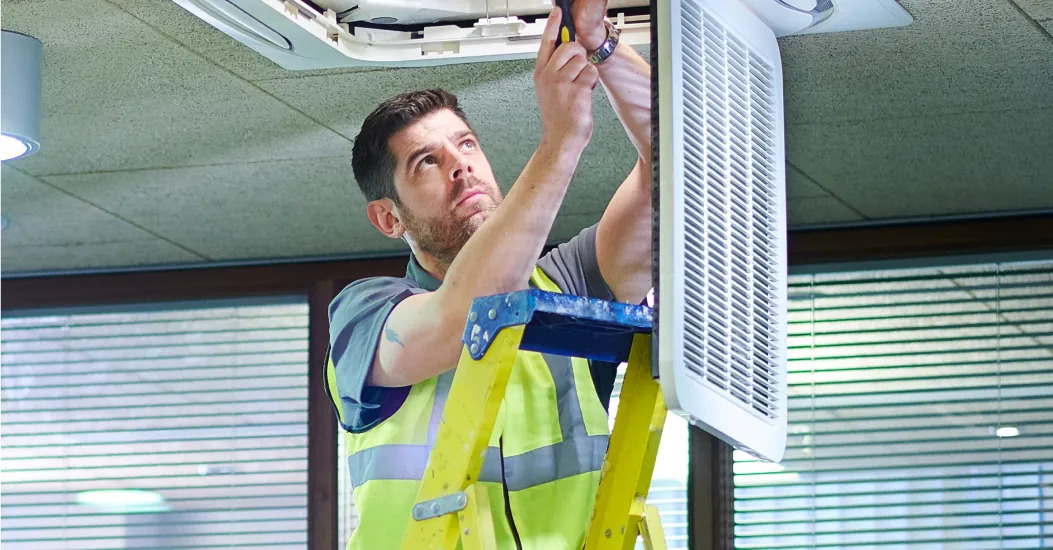
Are energy-efficient air conditioners worth the extra cost in Australia?
For many Sydney homes, yes. The case is strongest when the system runs through hot afternoons, also heats in winter, replaces an older fixed-speed unit, and is likely to stay in the home for years. It is weaker for a rarely used guest room or when the “efficient” model is badly oversized.
The real question is not “Does a higher star rating save money?” It is “Will this model save enough electricity in my room, at my tariff and usage pattern, to offset its extra purchase price?” That is a total cost of ownership test: upfront cost plus energy, maintenance and likely service life.
What did we test, and what did we not test?
This is a category review, not a hands-on review of one brand or model. There is no honest “box,” fixed price or single specification to score. On 5 August 2026, we checked current Australian Government guidance on heating, cooling and thermostat settings; current NSW incentive pages; ACG Sydney service information; and dated 2026 ACG-published customer snapshots.
We then built the calculator below to test buyer scenarios. It uses your inputs, not a claimed average bill. We did not claim a long-term home trial, measure a specific unit, or turn an undated review into 2026 proof. That line matters: useful advice should show where evidence ends.
Which specifications matter to an Air Conditioner Installer Sydney assessment?
Start with cooling capacity, measured in kilowatts (kW). It tells you how much heat the unit can move, not how much electricity it always draws. A correctly sized air conditioner should match room area, ceiling height, glass, sun, insulation, occupancy and heat from appliances.
| What to check | Why it matters | Buyer question |
|---|---|---|
| Zoned Energy Rating Label | Shows seasonal performance for climate zones and estimated annual energy use. | Which zone best matches Sydney, and what annual kWh is shown? |
| Inverter or variable-speed compressor | Can reduce output as the room nears the set temperature, improving part-load control. | How low can the unit modulate in this room? |
| Cooling and heating capacity | Both must suit the actual heat load, especially for reverse-cycle use. | Can I see the sizing assumptions? |
| Indoor and outdoor sound data | Important for bedrooms, apartments, terraces and close neighbours. | Where will the outdoor unit sit? |
| Controls and zoning | Timers, smart controls and zones reduce waste only when people use them well. | Can unused rooms stay off? |
Build quality also matters. Look for stable brackets or pads, sealed wall penetrations, protected pipework, neat drainage and enough access to clean filters. These details are less glamorous than an app, but they influence water leaks, vibration, airflow and durability.
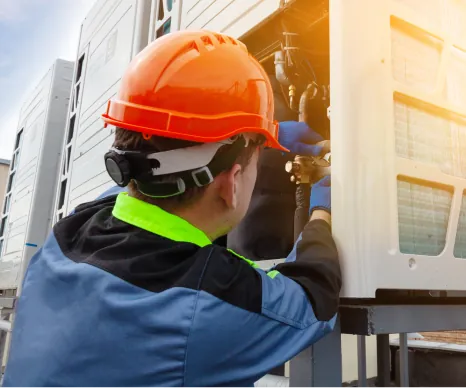
What changes real-world air conditioner running costs?
1. Part-load performance
Sydney weather is not at design peak every hour. An inverter air conditioner can vary compressor speed, so it may hold a steady room temperature with less cycling. That can improve comfort and lower electricity consumption compared with an old fixed-speed system. Yet “inverter” alone does not prove best-in-class efficiency; compare the Energy Rating Label.
2. Room size and AC capacity
Oversized systems can cool too quickly, cycle often and manage humidity poorly. Undersized systems may run flat out and still disappoint. For room size and air conditioner capacity, a heat-load assessment beats a rough floor-area rule.
3. The home around the machine
External shade, curtains, draught sealing and home insulation reduce the load before the compressor starts. So do closing doors and cooling only occupied rooms. Efficient home cooling is a system: appliance, building shell, controls and habits.
4. Temperature and timing
Australian Government summer guidance suggests setting cooling between 25°C and 27°C. It says each degree higher may save 5% to 10% on energy costs. That makes 25 - 27°C the practical answer to “what is the most energy-efficient air conditioner temperature?” for many homes, subject to health and comfort needs.
How do you calculate an air conditioner payback period?
Use electrical input, not cooling capacity. Find the model’s estimated annual kWh on the Energy Rating Label when possible. For a simple comparison, enter your own measured or label figures below.
Your energy savings calculator
Leave price research to your written quote. This tool gives no preset installation amount.
The formula is simple: annual saving = (baseline kWh − efficient-model kWh) × tariff. Simple payback = extra upfront cost ÷ annual saving. Then stress-test it. If your use falls, payback grows. If electricity prices rise, payback may shrink. Maintenance, finance, future tariffs and repairs are not included.
Which energy-efficient cooling system fits your home?
For a deeper layout decision, compare ducted versus split-system air conditioning in Sydney. There is no universal “most energy-efficient ducted air conditioner Australia” winner without a house design and zone plan.
What are the pros and cons of paying for higher efficiency?
What we like
- Lower annual operating costs when used often
- Steadier comfort from strong part-load control
- Potential electricity bill and emissions reduction
- Reverse-cycle heating from one system
- Better lifetime value in hot or mixed climates
Where it can fail
- A larger purchase premium can take years to recover.
- Star ratings do not fix poor sizing or leaky ducts.
- Smart controls save nothing if schedules are ignored.
- Lightly used rooms may never reach a clear payback.
- Marketing can hide differences in capacity and test conditions.
Who should buy, and who should skip the premium?
Best for
Choose a high-efficiency AC unit when you cool or heat often, expect to keep the property, want quiet steady operation, have high summer cooling demand, or are replacing an old system. It also makes sense when a correctly sized model has a modest premium and a clear label advantage.
Skip or reassess if
Pause when the room is rarely used, the quote does not show capacity or model numbers, the installer has not inspected the site, or the premium buys features you will not use. If an existing system has one repairable fault, compare repair with replacement before discarding it. Use ACG’s guide to repairing versus replacing an air conditioner.
Alternatives to consider
First reduce heat gain with shade, curtains, insulation and draught sealing. Use fans for air movement. Cool fewer rooms. If you need whole-home comfort, compare a zoned ducted system with several split systems. The cheapest air conditioner to run is often the correctly sized system serving only the space you use.
What does the 2026 evidence actually prove?
Reverse-cycle systems on the Australian market are described as 300% to 600% efficient because they move heat rather than create it directly.
Open the official source ↗Current NSW pages describe air-conditioner upgrade incentives and warn that eligibility, discount and final installation cost depend on the job.
Check current eligibility ↗These are concise page captures for readability, not altered claims. Open each source to see its full context and latest terms. Rebates and incentives can change, so check before signing a quote.
“Our ducted air conditioning Sydney system failed during a heatwave. Air Conditioning Guys arrived same day and fixed a blocked drain. Honest pricing and clear advice.”
“Installation was messy, not gonna lie. But Air Conditioning Guys cleaned up thoroughly and the result is amazing.”
How can ACG Air Conditioning Sydney help?
ACG Sydney can inspect the room or home, estimate heat load, compare suitable system types, plan indoor and outdoor unit positions, and explain the installation scope. For Sydney air conditioning installation, ask the team to compare annual label energy use across like-for-like capacities, not just star graphics.
A useful quote should name the exact system, capacity, electrical and drainage work, pipe route, mounting, controls, commissioning, warranty and exclusions. This makes upfront cost versus lifetime cost easier to judge. For specific purchase or AC installation cost details, call ACG Air Conditioning Sydney on 02 8021 3735. The listed location is 71 Chapel St, Roselands NSW 2196, Australia.
Common questions about energy-efficient air conditioning
How much money does an energy-efficient air conditioner save?
There is no honest fixed answer. Subtract the new model’s annual kWh from the baseline, multiply by your tariff, then adjust for how you use it. Use the calculator above and ask for the exact model label.
Do high-efficiency air conditioners pay for themselves?
Often, but not always. Regular use, a clear efficiency gap and a long ownership period help. Rare use, poor sizing, leaky ducts or a large unexplained premium hurt the payback.
Is a reverse-cycle air conditioner worth the cost?
It can be, because one unit provides efficient cooling and heating. Compare it with your current heating method, winter use, solar generation and room needs.
What is the most energy-efficient split-system air conditioner in Australia?
There is no permanent winner across all capacities. Product ranges and ratings change. Filter the official Energy Rating Calculator by capacity and climate, then compare models that actually suit the room.
Does maintenance lower air conditioner electricity consumption?
Clean filters and clear airflow help the system work as intended. Maintenance can also catch blocked drains, dirty coils, control faults and duct issues. It cannot turn a wrongly sized unit into the right one.
Where can I learn how installer reviews should be checked?
Use the ACG guide to comparing air conditioning installers in Sydney, then verify current licence and refrigerant-handling credentials yourself.
Final verdict: efficiency is worth it when the whole job adds up
High potential value, but only after correct sizing, label comparison and installation design.
The best energy-efficient air conditioner for an Australian home is not automatically the model with the loudest efficiency claim. It is the correctly sized, well-installed system with strong climate-zone performance, sensible controls and a payback that survives realistic use.
Bottom line: pay extra when the efficient model shows meaningfully lower annual energy use, suits the same heat load, and will run enough to recover the premium. If the quote cannot show that logic, keep comparing.
Related reading




