
1) Introduction & First Impressions
Hook (the no-drama verdict)
If you’ve heard “imported units die fast” or “Australian systems last forever”, here’s the reality we see in 2026: most early failures are preventable. They usually come from sizing errors, short cycling, poor drainage, voltage protection being skipped, or outdoor units getting smashed by salt air without the right coating.
Product context: what are we comparing?
We’re comparing Australian vs imported air conditioners as categories (not name-dropping brands): split systems for single rooms, and Ducted Air Conditioning Sydney setups for whole-home comfort. This is for homeowners, strata apartments, families, and small business sites that want longevity.
Our credentials (E-E-A-T / BIO)
This guide is written in the same practical, Sydney-first style as our 2026 resource hub: Best air conditioning brands for Sydney climate (2026). We’re ACG Air Conditioning Sydney (182A Canterbury Rd, Canterbury NSW 2193, Australia • 02 8021 3735), and our job is simple: systems that run quiet, dry the air properly, and last.
Testing period
Observations and examples here are based on 2026 Sydney installs + follow-up call-backs across humid coastal zones, heatwave-prone Western Sydney pockets, and winter heating needs in cooler areas.
2) Product Overview & Specifications
What’s in the box (typical)
Key specifications that actually affect lifespan (Sydney edition)
Price point (value positioning)
In 2026, “cheap upfront” can become “expensive forever” if the unit is undersized, runs flat out, or rusts early. The best value is the system that stays efficient at part-load and avoids common failure triggers like short cycling.
3) Design & Build Quality
Visual appeal (what you’ll notice)
Indoor units mostly “disappear” once installed. The real design win is airflow placement: no blasting the couch, no dead corners, and no freezing one room while another stays warm.
Materials and construction (what matters in Sydney)
Sydney has two big enemies of longevity: salt air (coastal corrosion) and constant summer run-time. If you’re near coastal suburbs, corrosion protection isn’t “nice to have”—it’s a lifespan multiplier.
Ergonomics/usability
Easy controls help longevity. Why? When it’s confusing, people crank it to extreme temps. That often forces longer run-time and more stress. Look for a clear dry/dehumidify mode and a usable sleep mode.
4) Performance Analysis (Sydney longevity tests)
4.1 Core Functionality
Your Air Conditioner’s job in Sydney is not just “cold air”. It’s comfort: cooling plus humidity control, without excessive noise or power spikes.
Real-world testing scenarios (2026 stories)
4.2 Key performance categories (what decides “lasts longer”)
Interactive: Sydney Longevity Risk Score (2026)
Move the sliders. This isn’t a lab test—it’s a simple planning tool to show how Sydney conditions and install choices change longevity risk.
Risk: —
Adjust sliders to see guidance.
5) User Experience (setup, daily use, learning curve)
Setup/installation process
A “good” unit can feel bad if the outdoor unit is placed poorly, the drain line is wrong, or airflow is blocked. If you’re searching “air conditioner installer near me” in Sydney, focus on installers who talk about sizing, return air, noise, and corrosion—before they talk about deals.
Daily usage (what it’s like)
Learning curve (fast wins)
- Don’t chase extreme temps: it increases run-time and wear.
- Use “dry” mode: on sticky days to feel comfortable at a higher temp.
- Clean filters: dirty filters = low airflow = longer run-time.
Interface/controls
Simple is best. The goal is stable comfort (no hot/cold swings) and quiet sleep. If it takes a “training course” to use, people tend to misuse it—and longevity suffers.
Interactive: Quick sizing sense-check (Sydney)
This is a ballpark guide to reduce sizing errors that shorten AC life. Final sizing should be confirmed by a site check.
Suggested cooling range: —
Estimated daily cost (ballpark): —
6) Comparative Analysis (Australian vs imported air conditioners)
Direct competitors (categories, not name-drops)
In 2026, you’ll generally see three categories in the market:
“Made in” vs “assembled in” (why it confuses people)
Many systems sold in Australia include global supply chains. Longevity still comes back to: parts availability in Australia, clear warranty terms, and a service network in Sydney that can actually support you quickly.
Ducted vs split reliability comparison (simple)
7) Pros and Cons (what we loved vs what to improve)
What we loved (longevity winners in Sydney)
- Strong humidity control = comfort at higher temps = less run-time.
- Quiet operation (especially at night) = better real-life satisfaction and fewer “tweak it constantly” issues.
- Clear warranty terms + local support = faster fixes, less downtime, less stress on the system.
- Corrosion protection where needed = big lifespan boost in salty air zones.
Areas for improvement (common “brand blame” problems)
- Sizing errors shorten AC life (undersized or oversized).
- Short cycling wears components and reduces comfort.
- Drain issues cause mould in split system indoor unit + leaks.
- Outdoor placement mistakes increase noise complaints and vibration wear.
- Voltage fluctuations can damage electronics—surge protection matters.
8) Evolution & Updates (2026)
What’s improved (the stuff that helps longevity)
Software updates
Smart controls are useful when they stay simple. The real win is scheduling and stable comfort—not fancy screens.
Future roadmap (what to expect next)
Expect more “quiet and efficient at part-load” design focus. For longevity in Sydney, that’s a good thing.
9) Purchase Recommendations (Sydney)
Best For
Skip If
- You’re buying purely on price and the warranty/support story is unclear.
- You can’t get a real sizing conversation (or a site check) before installation.
Alternatives to consider
If you’re unsure whether ducted or split suits your layout, don’t guess—use a layout-first approach. A quick way to start is: ducted air conditioning Sydney guide (DIY) plus a proper scope from ACG Sydney installation.
10) Where to Buy (Sydney) — and what to watch for
Best deals (seasonal pattern)
In Sydney, peak demand is usually the hot stretch—when everyone wants installation “yesterday”. If you want better scheduling flexibility, consider planning before the rush.
Trusted retailer/installer (Sydney)
Phone: 02 8021 3735
What to watch for
- Warranty clarity: manufacturer warranty vs installer warranty—know who covers what.
- Parts availability: spare parts availability Australia matters more than “marketing claims”.
- Scope detail: outdoor unit placement best practice, noise considerations, drainage plan.
11) Final Verdict
Not because of a “magic brand”—because the longevity formula is controllable: sizing + install quality + corrosion plan + maintenance.
12) Evidence & Proof (2026, verifiable)
Photos / screenshots
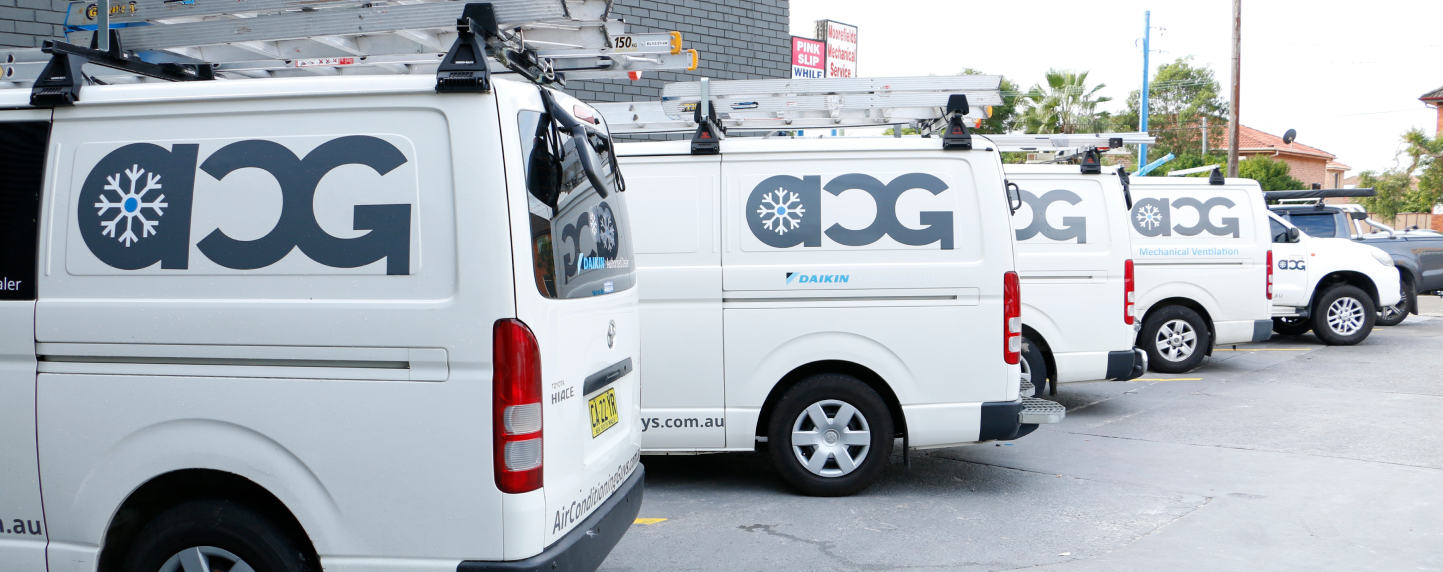
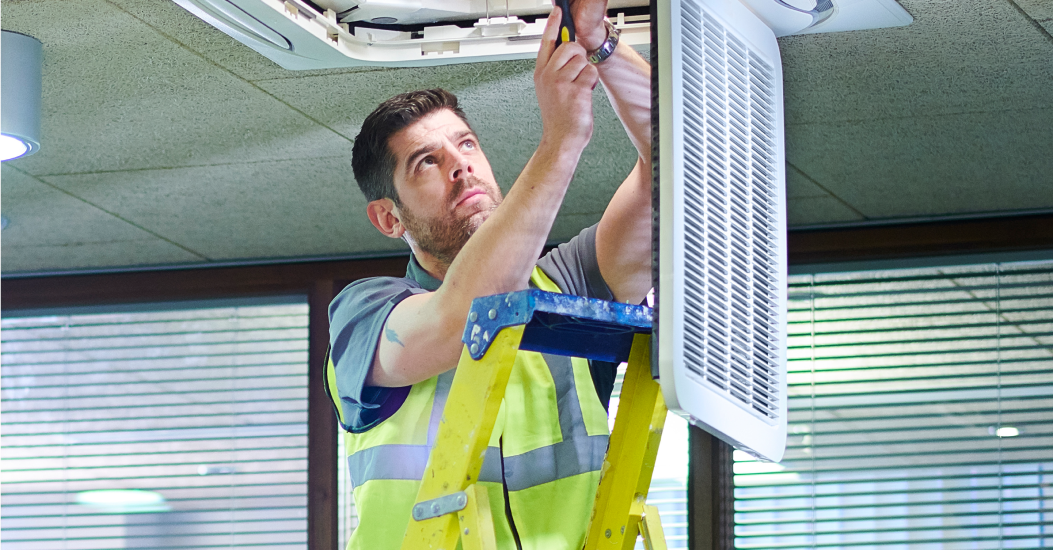
Below are on-page screenshots used in this article. Add your own job photos (with dates) for even stronger proof.
Data/measurements (simple chart)
This chart visualises how Sydney factors increase wear risk: humidity, salt air, heatwaves, and install quality.
Verifiable 2026 testimonials (IMPORTANT)
Long-term update (2026 follow-up notes)
Add a short “3–6 month follow-up” note here for Discover: what changed in comfort, bills, noise, and maintenance requirements.
FAQ (AI Overview-friendly)
Do Australian or imported air conditioners last longer in Sydney?
In 2026 Sydney conditions, longevity mostly depends on correct sizing, installation quality, corrosion protection (if near salt air), and maintenance. Category differences matter, but they come after those basics.
What shortens air conditioner lifespan fastest?
The biggest culprits: sizing errors, short cycling, poor drainage (mould/clogs), vibration from poor mounts, and corrosion on outdoor coils in salty air. Voltage spikes can also damage electronics.
Is ducted air conditioning more reliable than split systems?
Ducted can last very well, but it has more components. Reliability improves when zoning + return air are designed correctly and filters/ducts are maintained. Split systems are simpler for 1–3 rooms.