
When my mate James called me last winter complaining about his electricity bill hitting $680 for the quarter, I knew exactly what the problem was. His 15-year-old ducted system was working overtime just to keep his Baulkham Hills home comfortable. After upgrading to a modern inverter-driven ducted air conditioning system, his next bill dropped to $310 – and that's covering Sydney's increasingly unpredictable weather swings from 40°C summer scorchers to those surprise 8°C winter mornings.
If you're researching ducted air conditioning in Sydney right now, you're probably asking the same questions James did: What's this actually going to cost me? Which brands won't leave me stranded when summer hits? And honestly, is ducted worth it compared to just throwing in a few split systems?
Here's the straight truth from someone who's been installing and advising on climate control systems across greater Sydney for over a decade: ducted air conditioning remains the gold standard for whole-home comfort, property value, and long-term running costs – but only if you get three critical things right. Let me walk you through exactly what those are.
What Is Ducted Air Conditioning and Why Sydney Homes Love It
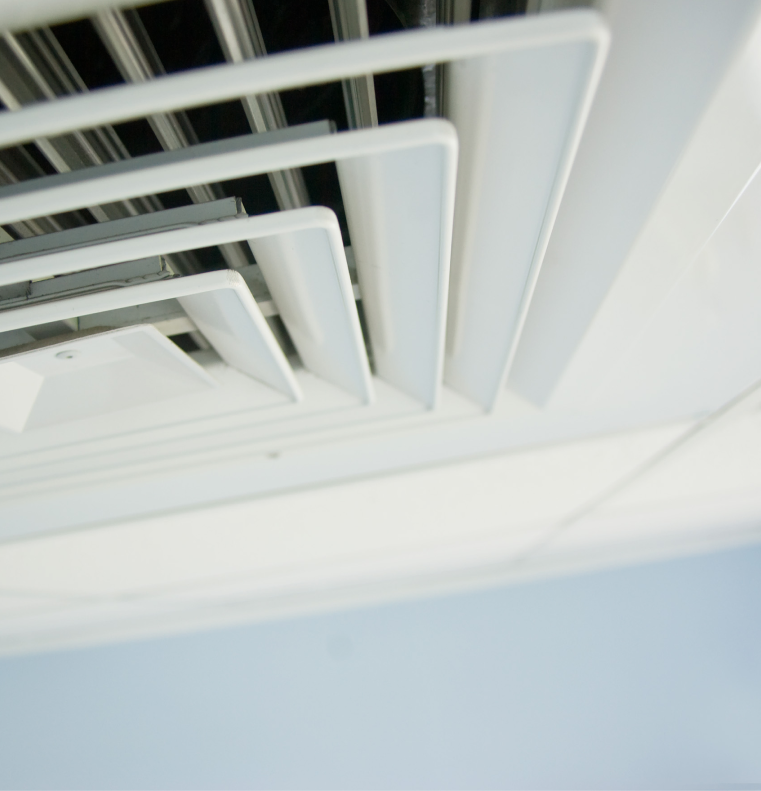
Ducted air conditioning is a centralised climate control system that distributes conditioned air throughout your entire home via a network of concealed ducts installed in your ceiling or underfloor space. Unlike wall-mounted split systems that cool individual rooms, ducted systems operate from a single powerful outdoor compressor connected to a central indoor fan coil unit, delivering consistent temperature control to every room through discrete ceiling vents.
The reason this matters in Sydney specifically? Our climate throws everything at us. You'll need heating on those crisp June mornings in the Blue Mountains suburbs, then reverse to cooling mode by lunchtime when the nor'easter pushes temperatures into the high 20s. A quality ducted reverse cycle system handles this seamlessly – something multi-split configurations struggle with when you're trying to coordinate five different wall units.
Key components of a ducted system include:
- Outdoor compressor unit – Usually mounted on a concrete slab or wall bracket in your backyard or side passage
- Indoor fan coil unit – Hidden in your roof space, this distributes air through the ductwork
- Flexible or rigid ducting – Insulated channels that carry conditioned air to each room
- Supply vents – The visible grilles in your ceiling where cool or warm air enters rooms
- Return air grilles – Larger grilles (often in hallways) that draw air back to be reconditioned
- Zone controllers – Smart panels that let you control which rooms receive air and at what temperature
- Thermostat – Modern systems offer Wi-Fi-enabled control from your smartphone anywhere
What makes ducted systems particularly attractive for Sydney homeowners is the zoning capability. You're not cooling your teenage son's empty bedroom at 2pm on a Tuesday – you're directing that expensive conditioned air only where people actually are, which is where those energy savings I mentioned earlier come from.
How Much Does Ducted Air Conditioning Really Cost in Sydney? (2026 Pricing)
Let's cut through the marketing fluff and talk real numbers. I've reviewed hundreds of quotes across Sydney in the past year, and here's what you should actually expect to pay for a quality ducted air conditioning installation in 2026:
Standard Sydney Home (3-4 Bedrooms, Single Storey):
- Budget range: $9,500 - $12,000 (entry-level brands, basic zoning)
- Mid-range quality: $12,000 - $16,000 (Daikin, Fujitsu, Mitsubishi Electric with 6-zone control)
- Premium systems: $16,000 - $22,000 (Panasonic, high-end Daikin with MyAir5 or similar smart control)
Larger Homes (5+ Bedrooms, Two Storey):
- Mid-tier installation: $18,000 - $24,000
- High-performance systems: $24,000 - $35,000+
These prices include the complete supply and install package: equipment, ductwork, electrical connections with isolator switch, council compliance, zone controllers, and standard ceiling vents. What they typically don't include are structural modifications, asbestos removal (common in older Sydney homes), complicated electrical upgrades, or premium decorative vents.
What drives the cost variation?
- System capacity – Measured in kilowatts (kW). Most Sydney homes need between 10kW and 16kW depending on floor area, ceiling height, insulation, and window exposure. Northern and western-facing homes typically need 15-20% more capacity.
- Number of zones – Basic 2-zone systems are cheapest, but you'll want at least 4-6 zones for effective energy management in a typical family home. Each additional zone adds $300-$600.
- Brand selection – Samsung and Rinnai sit at the budget end ($6,500-$8,000 for equipment only). Daikin, Fujitsu, and Mitsubishi Electric occupy the mid-range ($8,000-$11,000). ActronAir and premium Panasonic models command $12,000-$15,000+ just for equipment.
- Installation complexity – Single-storey brick veneer homes with accessible roof cavities cost 30-40% less to install than two-storey homes with limited ceiling access, or Federation-era homes requiring extensive ductwork modifications.
- Smart control systems – Entry-level wall controllers cost around $400. Tablet-style touchscreens run $800-$1,200. Premium systems like Daikin AirBase, MyAir5, or ActronAir Neo are $2,000-$3,500 but deliver app control, geofencing, and integration with Google Home or Alexa.
Here's something most installers won't tell you upfront: the cheapest quote is rarely the best value. I've seen $9,500 "special" installations that used undersized 10kW units in homes that genuinely needed 14kW, resulting in the system running at maximum capacity all day long. That's a fast track to equipment failure and brutal electricity bills.
Ducted Air Conditioning vs Split Systems: What's Actually Better for Sydney Homes?
This is the question I get asked most – and it's the right one to ask before dropping $15,000+ on climate control.
Choose ducted air conditioning if:
- You're cooling 3+ bedrooms regularly
- You value aesthetics (no wall units visible in living areas)
- You're planning to live in the home long-term (10+ years)
- You have accessible roof space for ductwork installation
- Your home has good insulation and isn't excessively drafty
- You want to maximize property resale value (ducted adds $15,000-$25,000 to Sydney home valuations)
Choose split systems instead if:
- You're renting or might move within 5 years
- You mainly use 1-2 rooms (bedroom plus living area)
- Your home has no roof cavity access (concrete slab roof apartments)
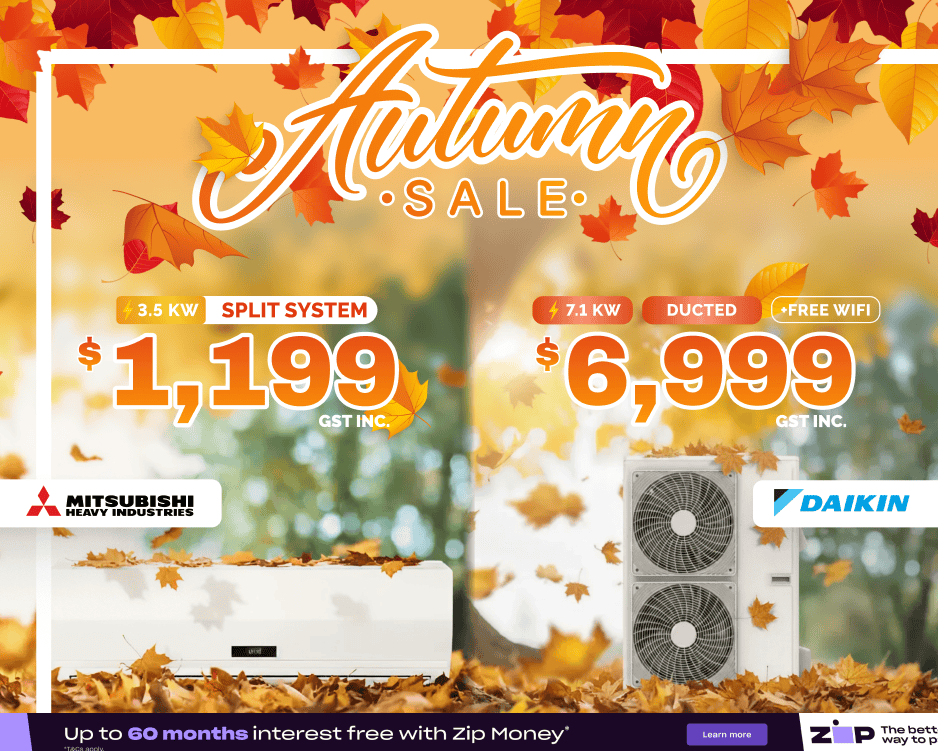
- Your upfront budget is limited ($1,199-$4,000 per split vs $6,999+ ducted)
- You have uneven heating/cooling needs (e.g., home office needing cooling while rest of house doesn't)
The hybrid approach – and this is what I recommend to about 30% of my clients – is installing ducted for main living areas and bedrooms, plus adding one high-quality split system in a problem room like a sunroom, converted garage office, or media room that gets extreme afternoon sun. Total investment might be $14,000, but you get the best of both worlds.
Real-world running costs comparison (Sydney climate, 2026 electricity rates ~$0.35/kWh):
- Ducted system (14kW) running living areas + 3 bedrooms for 6 hours daily: $2.10-$3.50/day depending on temperature setting and zoning effectiveness
- Three split systems (2.5kW, 5kW, 7kW) running simultaneously for 6 hours: $2.80-$4.20/day
- Poorly zoned ducted system cooling entire house when only using 2 rooms: $4.50-$6.00/day
The energy efficiency winner? A properly zoned, correctly sized ducted system in Sydney beats multiple split systems by 15-25% in most Sydney homes – but only if you actually use the zoning feature properly.
Best Ducted Air Conditioning Brands for Sydney's Climate (2026 Rankings)
After installing and servicing hundreds of ducted systems across Sydney's diverse suburbs – from beachside Cronulla to western Sydney's Penrith heat islands – I've seen which brands consistently deliver and which ones cause headaches.
Tier 1: Premium Performance (Worth the Investment)
Tier 2: Excellent Value (Best Bang-for-Buck)
Tier 3: Budget-Friendly Options
My honest recommendation for Sydney homes in 2026? If your budget allows, go Daikin or Panasonic. You'll pay 15-20% more upfront but save on running costs and avoid the frustration of service calls. If budget is tight, Fujitsu delivers 90% of the performance at 75% of the cost – that's where the sweet spot sits for most Sydney families.
Ducted Air Conditioning Installation in Sydney: What to Expect
Getting ducted air conditioning installed is more involved than mounting a split system, but understanding the process helps you avoid cowboys and ensures quality work.
The Complete Installation Process (Step-by-Step)
Stage 1: In-Home Assessment (1-2 hours)
A qualified installer should visit your home to:
- Measure ceiling cavity accessibility and insulation type
- Calculate heat load requirements (factoring in window size, orientation, insulation, room usage)
- Assess electrical capacity (many Sydney homes need switchboard upgrades for ducted systems)
- Identify optimal outdoor unit placement considering noise and neighbor proximity
- Discuss zoning requirements and vent placement preferences
Red flag: Any company quoting over the phone without visiting your home is guessing. Heat load calculations are essential for proper system sizing.
Stage 2: Detailed Quote & Design (3-5 days)
You should receive:
- CAD drawing of proposed duct layout
- Specific equipment model numbers and specifications
- Breakdown of costs (equipment, labour, electrical, permits)
- Timeline for installation
- Warranty terms (both manufacturer and installation warranty)
Stage 3: Pre-Installation Preparation (½ day)
- Electrical isolator installation (required by Australian Standards)
- Ceiling access creation if needed
- Outdoor unit pad preparation (concrete slab or wall mounting brackets)
- Protection of furniture and floors
Stage 4: Main Installation (1-2 days for standard homes)
Day 1:
- Indoor fan coil unit installation in ceiling cavity
- Ductwork fabrication and installation (flexible or rigid depending on design)
- Supply vent installation in each room
- Return air grille placement
- Outdoor compressor unit installation
Day 2:
- Refrigerant piping connection and pressure testing
- Electrical connections and final wiring
- System commissioning and startup
- Zone controller programming
- Customer training on system operation
Stage 5: Compliance & Documentation (same day)
- Certificate of Compliance issued
- Warranty registration
- Operating instructions provided
- Maintenance schedule explained
How Long Does Installation Actually Take?
- Standard single-storey home (3-4 bedrooms): 1 full day or 2 shorter days
- Two-storey home: 2-3 days depending on complexity
- Older Federation/brick homes: Add 1-2 days for modified ductwork routing
What Installation Should Include (Sydney Standards 2026)
Make absolutely certain your quote includes:
- ✅ Full system supply and installation
- ✅ Electrical isolator switch with weatherproof cover
- ✅ Outdoor unit mounting (concrete slab or brackets)
- ✅ All ductwork, vents, and grilles
- ✅ Zone controller and main wall control
- ✅ Start-up and commissioning
- ✅ Certificate of Electrical Compliance
- ✅ Manufacturer warranty registration
- ✅ Minimum 5-year installation warranty
What's typically NOT included (ask specifically):
- ❌ Structural modifications beyond standard ceiling access
- ❌ Asbestos removal (common in pre-1990 Sydney homes)
- ❌ Switchboard upgrades (required if your existing board is at capacity)
- ❌ Premium designer vents (standard white grilles are included)
- ❌ After-hours or weekend installation (usually +20-30% surcharge)
- ❌ Multi-storey scaffolding for complex outdoor unit placement
Finding Legitimate Installers in Sydney
This is where many homeowners get burned. Here's your verification checklist:
Essential qualifications:
- ARC (Australian Refrigeration Council) license – legally required
- Electrical contracting license for NSW
- Public liability insurance (minimum $10 million coverage)
- Membership in AREMA (Air Conditioning & Refrigeration Equipment Manufacturers Association)
Questions to ask every installer:
- "Can I see your ARC license number?" (Verify at arctick.org)
- "What's your installation warranty period?" (Should be minimum 5 years)
- "Will the same team handle assessment, installation, and commissioning?" (Continuity matters)
- "What's included in your after-sales service?" (First-year checkup should be free)
- "Can you provide three recent references from Sydney homes similar to mine?"
Red flags that indicate cowboys:
- Pressure to sign same-day without competitor quotes
- No written warranty terms
- Cash-only pricing (legitimate businesses accept cards and provide invoices)
- Unwillingness to provide references
- Quotes dramatically cheaper than competitors (usually means undersized system or unlicensed labour)
Ducted Air Conditioning Running Costs & Energy Efficiency in Sydney
This is where rubber meets road – ongoing costs matter more than purchase price over a system's 15-20 year lifespan.
Real-World Sydney Running Costs (Based on 2026 Energy Prices)
Scenario 1: 4-bedroom family home in Parramatta
- System: 14kW Daikin ducted with 6-zone control
- Usage: Living areas + bedrooms, 6-8 hours daily during peak summer/winter
- Zoning strategy: Only 3-4 zones active at once
- Quarterly electricity cost (Summer): $280-$350
- Quarterly electricity cost (Winter): $310-$390
Scenario 2: Same home, poor zoning habits
- All zones running constantly
- Doors and windows occasionally left open
- Quarterly cost: $520-$680 (double the smart usage)
Scenario 3: 3-bedroom unit in Bondi (coastal microclimate)
- System: 10kW Fujitsu ducted with 4-zone control
- Moderate summer use (sea breezes help), minimal winter heating
- Quarterly cost: $140-$220
How to Minimize Running Costs
1. Zone Intelligently
- Only condition rooms you're actually occupying
- Create "day zones" (living areas) and "night zones" (bedrooms)
- Turn off zones in empty bedrooms during work hours
2. Set Realistic Temperature Targets
- Summer: 24-26°C is comfortable (every degree lower adds 10% to running costs)
- Winter: 20-22°C is adequate (every degree higher adds 10% to costs)
- Use ceiling fans in conjunction with air conditioning to enhance perceived cooling
3. Maintain Your System Religiously
- Clean return air filters monthly (dirty filters increase energy consumption by 15-30%)
- Professional service annually ($180-$250 – pays for itself in efficiency gains)
- Keep outdoor unit clear of debris, plants, and obstructions
4. Improve Home Efficiency
- Ceiling insulation (R4.0 or better) reduces ducted AC load by 30-40%
- Window films or exterior blinds on west-facing windows
- Door seals and weather stripping prevent conditioned air loss
- Close doors to rooms being cooled or heated
5. Use Smart Controls Effectively
- Geofencing: System turns off when your phone leaves home
- Scheduling: Pre-cool home 30 minutes before arrival, not running all day
- Temperature setback: Reduce intensity during sleeping hours
Energy Star Ratings Explained
Ducted systems don't display the familiar star rating labels like split systems, but they still have energy efficiency metrics:
- EER (Energy Efficiency Ratio): Cooling efficiency – look for 3.5 or higher
- COP (Coefficient of Performance): Heating efficiency – aim for 4.0 or higher
- Annual energy consumption: Measured in kWh – lower is better
Premium systems like Daikin's 7-star equivalent models can cost 30-40% less to run than budget 2-3 star equivalents over a year.
Ducted Air Conditioning Maintenance: Keeping Your Sydney System Running Perfectly
I'll be blunt: most ducted system failures I see aren't equipment defects – they're maintenance neglect. Here's your maintenance roadmap.
Monthly Maintenance (DIY – 10 minutes)
Clean return air filters:
- Locate return air grilles (usually in hallway or central area)
- Remove grille cover (usually held by clips or screws)
- Remove filter media (mesh or pleated material)
- Vacuum thoroughly or wash with mild detergent (let dry completely before reinstalling)
- Reinstall filter and grille
Dirty filters are the #1 cause of inefficiency and compressor strain. Set a phone reminder for this.
Quarterly Maintenance (DIY – 15 minutes)
- Inspect outdoor unit: Remove leaves, grass clippings, spider webs from fins and surrounding area
- Check ceiling vents: Ensure none are blocked by furniture or closed accidentally
- Test zone controls: Verify each zone opens and closes correctly
- Listen for unusual sounds: Grinding, squealing, or rattling indicates service is needed
Annual Professional Service (Essential – $180-$280)
A qualified technician should:
- Test refrigerant pressures and check for leaks
- Inspect electrical connections and tighten as needed
- Clean evaporator and condenser coils
- Lubricate fan motors and bearings
- Test safety switches and controls
- Verify correct thermostat calibration
- Check ductwork for air leaks
- Provide written service report
When to schedule: October (before summer) or April (before winter) – avoid peak season wait times.
Common Problems and Solutions
Problem: Weak airflow from vents
- Cause: Dirty filters (90% of cases), blocked ducts, fan motor issues
- Solution: Clean/replace filters first. If problem persists, call technician.
Problem: Uneven cooling between rooms
- Cause: Incorrectly balanced zone dampers, duct leaks, undersized system
- Solution: Requires professional duct inspection and balancing
Problem: System icing up
- Cause: Low refrigerant, blocked return air, fan motor failure
- Solution: Turn system off immediately, call technician (continuing to run damages compressor)
Problem: Strange odors when system starts
- Cause: Mold growth in ductwork (common in humid Sydney summers), dead vermin in ducts
- Solution: Professional duct cleaning and antimicrobial treatment ($350-$600)
Ducted Air Conditioning Rebates and Incentives in Sydney (2026)
Sydney homeowners can access several programs to offset installation costs:
NSW Energy Savings Scheme (ESS)
The ESS provides financial incentives for installing high-efficiency ducted air conditioning systems. Eligible systems must meet minimum energy efficiency standards.
- Typical rebate value: $200-$500 depending on system efficiency
- How to claim: Your installer typically handles this and deducts it from your invoice
- Verification: Check energysaver.nsw.gov.au for current offerings
Solar Battery Integration Incentives
If you have solar panels, combining them with a ducted system can reduce running costs by 50-70%. The NSW Solar Battery Incentive provides $1,600-$2,400 toward battery storage, which allows you to run your ducted system on stored solar energy.
Low-Interest Green Loans
Several lenders offer discounted interest rates for energy-efficient home improvements:
- Civic Community Bank: 5.99% p.a. green loans up to $50,000
- Bank Australia: Clean Energy loans from 6.44% p.a.
- ANZ: Energy Efficient Home loans with discounted rates
Council Rebates (Location-Specific)
Some Sydney councils offer additional rebates:
- City of Sydney: Energy efficiency grants up to $4,500 (eligibility criteria apply)
- Northern Beaches Council: Rebates for energy-efficient upgrades
Pro tip: Combine your ducted air conditioning installation with ceiling insulation upgrades (which have separate rebates) to maximize total incentives.
Frequently Asked Questions About Ducted Air Conditioning Sydney
How long do ducted systems last in Sydney conditions?
Quality brands like Daikin, Panasonic, and Mitsubishi Electric typically last 15-20 years with proper maintenance. Budget brands average 10-15 years. Sydney's coastal humidity can accelerate corrosion on outdoor units without adequate anti-corrosion treatment, so specify coastal-rated units if you're within 5km of the beach.
Can I install ducted air conditioning in a two-storey home?
Absolutely, though it's more complex and expensive. Two-storey installations typically require either two separate ducted systems (one per floor) or a high-static-pressure single system with carefully designed ductwork. Budget an additional $4,000-$7,000 compared to single-storey installations.
Do I need council approval for ducted air conditioning in Sydney?
Generally no for standard installations in established homes (covered under exempt development). However, you'll need approval if:
- Your home is heritage-listed or in a conservation area
- The outdoor unit will be installed in the front setback
- Installation requires structural modifications
- Your home is in a strata scheme (check by-laws)
Your installer should handle compliance, but verify this is included in your quote.
What size ducted system do I need for my Sydney home?
This requires a proper heat load calculation, but as a rough guide:
- Small home (80-120m²): 8-10kW system
- Medium home (120-180m²): 10-14kW system
- Large home (180-250m²): 14-18kW system
- Extra-large home (250m²+): 18-24kW+ or zoned multi-system approach
West and north-facing homes need 15-20% more capacity. Poor insulation increases requirements by 30%+.
Are ducted systems noisy?
Modern inverter ducted systems are remarkably quiet. Indoor unit noise in the ceiling cavity is typically 35-42 decibels (quieter than a library). Outdoor units range from 48-58 decibels (similar to normal conversation). Premium brands like Daikin's FDYQ series operate at just 38 decibels outdoors – quieter than many split systems.
Can I retrofit ducted air conditioning into an existing Sydney home?
Yes, but feasibility depends on ceiling cavity access and space. Most single-storey Sydney homes built after 1980 have sufficient roof cavity space. Challenges include:
- Flat-roof or cathedral ceiling homes (may require bulkheads or alternative duct routing)
- Heritage homes where ceiling modifications are restricted
- Homes with extensive ceiling insulation (can be worked around but adds cost)
An experienced installer can assess retrofit suitability during the initial inspection.
What's the best ducted air conditioning brand for Sydney?
For most Sydney homes, Daikin offers the best combination of reliability, efficiency, and service network accessibility. Panasonic excels if air quality (nanoe™ X technology) is a priority. ActronAir is the patriotic choice with excellent local support. Fujitsu delivers outstanding value for budget-conscious buyers. Avoid ultra-cheap brands – the $2,000 you save upfront costs you $5,000+ in repairs and electricity over the system's life.
How much does it cost to run ducted air conditioning in Sydney daily?
Typical daily costs for a well-maintained 14kW system in a 4-bedroom Sydney home:
- Summer (cooling mode): $2.50-$4.00 per day (6-8 hours use)
- Winter (heating mode): $2.80-$4.50 per day (6-8 hours use)
- Spring/autumn (minimal use): $0.50-$1.50 per day
These costs assume smart zoning practices and a system with minimum 3.5 EER. Poor zoning habits can double these figures.
Can I control ducted air conditioning from my phone?
Yes, most modern systems offer smartphone control through brand-specific apps or third-party systems:
- Daikin: Daikin Mobile Controller app or AirBase system
- Panasonic: Panasonic Comfort Cloud app
- ActronAir: ActronAir Neo system with dedicated app
- Universal options: MyAir5, Advantage Air, Climate Wizard (compatible with multiple brands)
Expect to pay $400-$800 for basic Wi-Fi control, or $2,000-$3,500 for premium integrated systems with advanced features like geofencing and energy monitoring.
Is ducted air conditioning worth it for a 2-bedroom apartment in Sydney?
Usually not. For apartments under 90m², multi-split systems (2-3 indoor units sharing one outdoor compressor) offer better value, easier installation (no extensive ductwork), and comparable running costs. Ducted becomes worthwhile for larger apartments (100m²+) or where aesthetic considerations (no visible wall units) justify the 40-60% price premium.
How often should I service my ducted system in Sydney?
Minimum: Professional service once annually, preferably before summer (October) or before winter (April)
Recommended: Professional service twice yearly if you use the system heavily year-round, have pets (pet hair clogs filters faster), or live near the coast (salt corrosion checks essential)
Monthly: DIY filter cleaning (takes 10 minutes, saves hundreds in efficiency losses)
Do ducted systems add value to Sydney homes?
Yes, significantly. Real estate agents consistently report that quality ducted air conditioning adds $15,000-$25,000 to property valuations in Sydney's competitive market. Homes with ducted systems sell faster (average 12 days quicker) and command higher prices, particularly in Sydney's hot western suburbs where climate control is non-negotiable for buyers.
Ready to Install Ducted Air Conditioning in Your Sydney Home?
If you've read this far, you're serious about getting ducted air conditioning right – and that puts you ahead of 70% of homeowners who jump at the first cheap quote and regret it within two years.
Here's your action plan:
- Calculate your rough budget using the sizing guidelines above. Add 20% buffer for unexpected costs.
- Get quotes from at least three certified installers. Use the verification checklist to eliminate cowboys.
- Compare quotes based on total value, not just price. Check equipment specifications, warranty terms, and inclusions carefully.
- Verify installer credentials on arctick.org before signing anything.
- Schedule installation for shoulder seasons (March-April or October-November) when demand is lower and installers aren't rushed.
- Commit to monthly filter maintenance and annual professional servicing – this is where you protect your investment.
The difference between a ducted air conditioning system that delivers 20 years of comfortable, efficient service and one that becomes an expensive headache comes down to three things: choosing the right brand for your budget, selecting a qualified installer, and maintaining it properly.
Sydney's climate isn't getting any easier. Those 40°C+ summer days are becoming more frequent, and the unpredictable temperature swings mean your climate control system isn't just a luxury – it's essential for your family's comfort and your home's liveability.
At ACG Air Conditioning Sydney, we've been installing and servicing ducted air conditioning systems across greater Sydney for over 15 years.
We're authorised Daikin dealers and certified installers for Panasonic, Mitsubishi Electric, Fujitsu, and ActronAir, and we'll help you choose the perfect system for your home's specific needs – not just sell you what we have in stock.
Every installation comes with our 5-year workmanship warranty, free first-year service, and ongoing support whenever you need it. We don't use subcontractors – the team that assesses your home is the same team that installs your system and services it for years to come.
Want to discuss your specific situation? Call us on 1300 369 690 or visit https://airconditioningguys.com.au/ for a free in-home assessment.
We'll provide honest advice, accurate heat load calculations, and a detailed quote with zero pressure. If ducted air conditioning isn't right for your home, we'll tell you – and suggest what is.
Your family's comfort is too important to leave to guesswork. Let's get it right the first time.
Note: This comprehensive guide is based on current market conditions and industry standards as of 2026. Prices, rebate programs, and product availability may change. Always verify current information with qualified installers and relevant authorities.