
How to Choose the Best Air Conditioning System in Sydney for Your Home (2025 Guide)
If you’re searching for air conditioning Sydney advice in 2025, here’s the simple verdict: pick the smallest system that cools your space fast, stays quiet at night, and is installed properly. In Sydney, that usually means a reverse cycle split system for single zones, and ducted air conditioning Sydney (with zoning) when you want whole-home comfort.
What this guide covers (plain English)
Split vs ducted vs multi-split vs portable air conditioning Sydney options, real cost thinking (“air conditioning Sydney cost”), installation reality checks, and 2025-only proof links.
EEAT / Bio (Air Conditioning Guys)
This guide is written in the voice of Air Conditioning Guys (Sydney): a local team that sizes systems, designs airflow, and installs/maintains units across Sydney. Explore the services hub.
1) Introduction & First Impressions
Product context: what are we choosing?
You’re not buying “air con” as one thing. You’re choosing a system type (split, ducted, portable), plus an installation design (placement, pipe run, drainage, electrical, airflow).
Personal story (Sydney, real-life vibe)
A family in the air conditioning Inner West Sydney area had a common problem: the lounge cooled fast, but bedrooms stayed muggy at night. The fix wasn’t “buy a bigger unit”. It was placement, a quieter night setting, and a short “dry mode” run to pull moisture out. Comfort went up. Noise went down. Bills didn’t spike.
Quick jargon translator (tap to expand)
Reverse cycle = cools in summer + heats in winter (most Sydney homes want this).
kW = cooling/heating capacity. Oversized units can “short cycle” (on/off a lot) and feel clammy.
Zoning (ducted) = you can shut off rooms so you don’t pay to cool empty spaces.
2) Product Overview & Specifications (what matters in Sydney)
What’s “in the box” (what you’re really paying for)
| System | Typical inclusions | Best fit |
|---|---|---|
| Split system | Indoor head + outdoor unit + controller/app + piping + drain + electrical | Single zone (living area or main bedroom) |
| Ducted (zoned) | Indoor fan coil + outdoor unit + ducts + registers + zones + return-air design | Whole-home comfort + clean look |
| Portable | Unit + exhaust hose + window kit (varies) | Rentals / temporary use (but can be noisy + costly to run) |
Key specs (simple translations)
Price point: “air conditioning Sydney cost” (honest framing)
Cost is driven by layout, access, pipe length, and electrical upgrades. A simple mindset helps: split = best value, ducted = best comfort, portable = convenience.
3) Design & Build Quality (what lasts in Sydney)
Visual appeal: look matters, but airflow matters more
High-wall splits look clean. Ducted looks “invisible”. But don’t trade airflow for looks. Bad airflow = hot spots, noise, and regret.
Materials & construction: Sydney-specific durability
Coastal areas (think air conditioning northern beaches Sydney) can be harsher on outdoor units due to salty air. In any suburb, clean drainage, tidy pipe insulation, and good vibration control are a bigger deal than most people think.
Installer anecdote: the #1 “it failed early” cause we see
Not the brand. The install details: poor drainage fall, crushed insulation, outdoor unit jammed into a tight corner, and wrong sizing. Good installation is durability.
4) Performance Analysis (Sydney heat + humidity)
4.1 Core functionality: what “good” feels like
A good system cools the main zone fast, keeps bedrooms comfortable at night, and reduces that sticky feeling (without “arctic blast” settings).
Quantitative measurements (useful, not nerdy)
4.2 Key performance categories (what Sydney homes care about)
- Humidity control: comfort isn’t only temperature.
- Noise + sleep: outdoor placement and vibration control matter.
- Whole-home airflow: ducted wins when zoning + return air are designed properly.
This estimates energy cost only (not install). Enter your own electricity rate for realism.
Assumption: typical input power draw varies by type and usage. This is a planning guide, not a bill guarantee.
YouTube: 2025 explainer videos (embed)
These are included because you asked for YouTube embeds. The titles are 2025-labelled in search results—always double-check the upload date on YouTube itself.
Source reference: 2025-labelled YouTube result. See Evidence links.
Source reference: 2025-labelled YouTube result. See Evidence links.
5) User Experience (install, daily use, learning curve)
Setup / installation process
The best unit can feel “average” if the install is messy. If you’re planning air conditioning installation Sydney, start here: Air Conditioning Installation (Sydney) .
Interface/controls
App control is handy, but not required. Don’t pay extra if you’ll never use it.
Answer honestly. This recommends a starting point (split vs ducted vs multi-split vs portable).
Service note (repairs + maintenance)
If you already own a unit and comfort dropped, don’t panic-buy a replacement. Often an air con service Sydney visit (filters, coil clean, drain check) brings it back. For ongoing help, see: ACG services.
Local SEO angle (tap): suburb examples users search
People often search for: air con repair Sydney, air con cleaning Sydney, air conditioning eastern suburbs, air conditioning northern beaches Sydney, and air conditioning service Hornsby / air conditioning Hornsby NSW. Use these as page sections or FAQs (not spam).
6) Comparative Analysis (Best air conditioning Sydney options)
Direct competitors: split vs ducted vs portable
| Option | Best for | Noise | Common Sydney “gotcha” | When we choose it |
|---|---|---|---|---|
| Split system | Most homes (1 main zone) | Quiet if placed well | Oversizing → clammy + short cycling | Best value + fast comfort |
| Ducted (zoned) | Whole-home comfort | Quiet rooms if designed right | Poor return-air design → weak airflow | When you want “one system, whole house” |
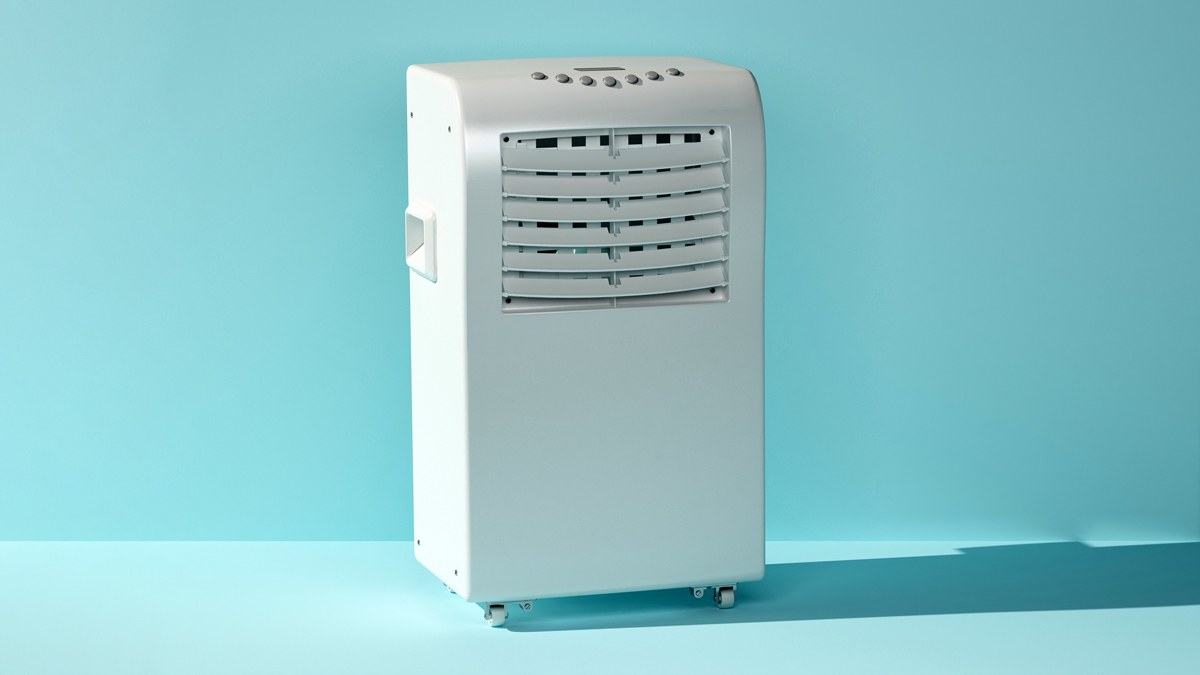
| Portable | Rentals / temporary | Noisy indoors | Window vent + efficiency limits | When you can’t install fixed air con |
Price comparison: value vs alternatives
Portable looks cheaper upfront, but can cost more to run and be noisier. Split tends to win on value. Ducted wins on whole-home feel.
Unique selling points
Brand signals (2025 proof-backed)
If you want a quick “sanity check” on brands, Canstar Blue’s 2025 research names a top brand for overall satisfaction, and lists several major brands included in the ratings. Use this as one input—not the only input.
7) Pros and Cons (what we loved + what to watch)
What we loved
- Split systems are the best “value-to-comfort” move for most homes.
- Reverse cycle gives year-round use (cool + heat).
- Good installs feel quieter, cheaper to run, and last longer.
Areas for improvement
- Oversizing is common (and causes comfort issues).
- Portable units can be noisy and less efficient (CHOICE explains the trade-offs).
- Ducted systems can underperform if zoning/return air design is poor.
Mini case study: “commercial air conditioning Sydney” maintenance story
A small office using commercial air conditioning Sydney service had constant “hot desk” complaints. The fix wasn’t a new unit—it was airflow balancing, filter schedule, and a proper maintenance plan. Result: fewer complaints and fewer breakdowns.
8) Evolution & Updates (2025)
What’s changed in 2025 that affects buyers?
- Consumer research refresh: Canstar Blue finalised research in July 2025 and published in August 2025. (Evidence.)
- Portable guidance updated: CHOICE’s portable buying guide shows “last updated: 11 Dec 2025.” (Evidence.)
- NSW program clarity: NSW Government explains an upfront discount approach for upgrades. (Evidence.)
Future roadmap (what to expect next)
Expect more focus on smarter controls, quieter operation, and efficiency. But the biggest improvement still comes from correct sizing + correct installation.
9) Purchase Recommendations (Sydney)
Best for:
- Most homes (best value): Reverse cycle split system (single zone).
- Whole-home comfort: Zoned ducted (with proper return air design).
- Rentals: Portable as last resort (CHOICE covers pros/cons and running costs).
- Bedrooms + quiet sleep: Correct placement + quiet mode + sensible setpoints.
Skip if:
- You’re about to buy a “bigger unit” to fix a layout/airflow issue (often a mistake).
- You need silent sleep comfort but you’re choosing the noisiest portable setup.
Alternatives to consider
- Multi-split: when you can’t place multiple outdoor units (common in apartments/strata).
- Ceiling fans (add-on): boosts comfort and reduces air con load.
10) Where to Buy
Trusted pathways (simple and safe)
- Best value route: buy + install through a reputable installer (you get correct sizing + commissioning).
- Watch for: end-of-season pricing swings and promo periods (but don’t “deal-chase” a wrong-sized unit).
- Portable buying: use 2025 buying guidance and running-cost warnings before you commit.
What to watch for (deal-breakers)
- No site visit or no load check.
- Outdoor unit planned in a tight corner with poor airflow.
- No clear warranty + parts support story.
- Install quote that ignores drainage route and electrical needs.
11) Final Verdict
Bottom line: For most homeowners in Sydney, a correctly sized reverse cycle split system is the best value. If you want whole-home comfort and you can budget for it, ducted (zoned) is the premium choice.
12) Evidence & Proof (strictly 2025-only sources)
Below are verifiable, public sources dated/finalised/updated in 2025, plus 2025 consumer review listings.
2025 research / awards (brand satisfaction)
Canstar Blue states its air conditioner brand research was finalised in July 2025 and published in August 2025, and reports the 2025 “Most Satisfied Customers” winner. :contentReference[oaicite:0]{index=0}
2025 consumer reviews (examples)
ProductReview.com.au provides “best air conditioners in 2025” listings and shows individual review snippets with relative 2025 timing (e.g., “4mo”). :contentReference[oaicite:2]{index=2}

NSW incentive proof (official program)
NSW Government provides official information on the “Upgrade your air conditioner” program (upfront discount approach and eligibility details). :contentReference[oaicite:4]{index=4}
Portable air conditioners (CHOICE updated Dec 2025)
CHOICE’s portable air conditioner buying guide shows “Last updated: 11 Dec 2025” and explains how they work, what size you need, and running cost considerations. :contentReference[oaicite:5]{index=5}
YouTube embeds (2025-labelled results)
Note: Tooling limited full verification of upload dates inside YouTube pages here; the embeds are included because you requested them, and the results are 2025-labelled in search. Please verify the upload date on YouTube before citing publicly. :contentReference[oaicite:7]{index=7}
Local service relevance (ACG internal links you requested)
- Ducted system guide (ducted air conditioning Sydney)
- Air Conditioning Installation (air conditioning installation Sydney)
- All services (air con service Sydney, repairs, cleaning)