
1) Introduction & First Impressions
Hook (the takeaway)
The biggest challenge in multi head double brick installation isn’t “fitting the indoor units.” It’s planning the stuff you don’t see: masonry drilling for AC piping, hidden lintels, long pipe runs, reliable drains, and quiet outdoor condenser placement.
What this “product” is
This is a service: multi-head split system installation in Sydney — one outdoor unit with 2–4 indoor heads. It’s for people who want multiple rooms conditioned without cluttering the outside with lots of condensers.
2) Product Overview & Specifications
What’s in the box (typical install components)
- Outdoor unit (condenser) + mounting plan (slab or wall brackets)
- 2–4 indoor units (heads) + remotes
- Refrigerant lines + insulation on refrigerant lines (UV rated outdoors)
- Condensate drain routing (gravity fall limitations or pump)
- Dedicated circuit for air conditioner (if required) + isolator switch
- Commissioning steps: pressure testing & nitrogen purge + leak detection
Key specs that matter (plain English)
- Max pipe length and vertical lift limits (long runs can reduce performance)
- Outdoor sound power + mounting choices (noise risk)
- Head count vs outdoor capacity (capacity sharing between heads)
- Drain plan (blocked drain / overflow risk)
- Electrical scope (circuit breaker sizing, switchboard readiness)
3) Design & Build Quality
Double brick wall penetration: where installs get real
Double brick is strong — which is great — but it means core drilling double brick needs care. The goal is a clean penetration that protects the wall, the piping, and the home.
- External wall sleeve / wall thimble: keeps edges neat and protects the line set.
- Hidden lintels / structural considerations: we avoid drilling into the wrong spot.
- Brick dust management / silica dust control: contained drilling + tidy clean-up.
- Internal chasing restrictions (brickwork): chasing can be messy and isn’t always the best choice.
Concealment: tidy looks without performance pain
In older Sydney homes, pipe runs can turn into a maze. The trick is to keep things neat without adding unnecessary length.
- Surface trunking / capping where internal chasing isn’t worth it.
- External conduit on brick façade planned for minimal visual impact.
- Refrigerant pipe run length limits respected so performance stays strong.
Outdoor condenser placement: quiet, serviceable, and breathable
Most “noise” complaints start here. We focus on airflow, distance, and vibration control.
- Wall-mounted brackets vibration reduced with proper supports and vibration isolation mounts.
- Balcony / courtyard condenser screening (but never choking airflow).
- Access for servicing condenser so maintenance is easy later.
Durability observations (what causes call-backs)
- Insulation gaps on lines → sweating, energy loss, and moisture marks.
- Drain fall issues → blocked drain / overflow risk (often shows up on humid days).
- Loose brackets → rattles that get worse over time.
- Future head replacement compatibility considered so upgrades don’t become painful.
4) Performance Analysis
4.1 Core Functionality
A multi split system’s job is simple: keep multiple rooms comfortable. The challenge is that output is shared. That’s the “domino effect” multi split owners feel when one outdoor unit feeds several rooms: if sizing or routing is off, everyone notices at once.
Primary use case
2–4 rooms (bedrooms + living) with separate control per room, using one outdoor condenser.
Quantitative metrics that matter
- Average pipe run per head (m)
- Vertical lift (m) outdoor-to-indoor
- Outdoor sound power and placement risk
Real-world testing scenarios
- Hot western sun rooms vs shaded rooms
- All bedrooms on overnight vs “one room only”
- Humid weeks → drainage stress test
4.2 Key Performance Categories (Double Brick Focus)
Category 1: Pipe runs (performance + cost)
Long runs can reduce efficiency and increase cost. If you need branch boxes / distribution boxes (multi split), they must be accessible for servicing later.
- Pipe sizing multi split (correct size matters)
- Flare connections vs brazing (quality control matters either way)
- Pressure testing & nitrogen purge + vacuum/evacuation before commissioning
Category 2: Noise + placement (Sydney neighbour reality)
Outdoor unit noise is often a placement/mounting issue. In NSW, “prohibited times” can apply if the noise is heard inside a neighbour’s habitable room. Check the times below before you lock in where the condenser goes.
Quick NSW noise time checker (interactive)
Use this as a planning guide and double-check your site-specific situation. (Source: NSW EPA neighbourhood noise guidance.)
Noise reduction mini-checklist
- Don’t aim the condenser at a neighbour’s bedroom window.
- Use vibration isolation mounts on brackets.
- Leave airflow clearance so the unit doesn’t “work harder” and get louder.
- Plan service access so maintenance doesn’t become a headache.
Category 3: Drainage + humidity (leak prevention)
Condensate is normal — where it goes is the key. In double brick retrofits, drains can be tricky.
- Gravity fall limitations (ideal when possible)
- Condensate pump noise (sometimes necessary, but needs planning)
- Moisture staining on brickwork if discharge is wrong
- Compliant discharge point / stormwater considerations
5) User Experience
Setup / installation process (what “good” looks like)
- Site check: routing, drilling points, drain plan, and outdoor condenser placement.
- Electrical check: dedicated circuit, isolator switch requirements, circuit breaker sizing.
- Install: neat penetrations, tidy trunking, correct mounting, safe work area.
- Commissioning: leak detection, pressure test, evacuation, performance check.
- Handover: controls explained in plain English + cleaning schedule.
Daily usage (what it’s like)
- Room-by-room comfort (each head has its own control)
- Shared capacity when all rooms run at once (set expectations)
- Learning curve: steady settings usually beat big temperature swings
- Maintenance: filters are an easy win for performance
6) Comparative Analysis
Multi-head split vs multiple singles
Multi-head often looks cleaner outside (one condenser). Multiple singles can be simpler to troubleshoot later.
- Multi-head: fewer outdoor units, but shared system risk.
- Singles: more outdoor clutter, but each room is independent.
Multi-head split vs ducted
Ducted Air Conditioning Sydney can feel “whole home,” but needs roof/bulkhead space and more design work.
- Choose ducted when you want hidden look + zoning.
- Choose multi-head when ducted isn’t practical and you still want multiple rooms.
7) Pros and Cons
What We Loved
- Cleaner outdoor look: one condenser for multiple indoor units
- Great for tight outdoor space (side paths, courtyards)
- Room-by-room control (kids rooms vs living area)
- Less “outside clutter” compared to multiple outdoor units
Areas for Improvement
- Shared capacity: simultaneous heating/cooling limitations (system dependent)
- Long pipe runs can hurt comfort (and increase cost)
- Double brick drilling + dust control adds labour
- Condensate pump noise if gravity drainage isn’t possible
8) Evolution & Updates (2026)
In 2026, the big “update” isn’t a flashy feature. It’s better planning and better commissioning: pressure testing, leak detection, and getting the basics right so the system lasts. The practical roadmap is simple: shorter runs, cleaner drains, quieter mounts, compliant electrics.
What changed in “real life” installs (2026)
- More careful noise planning (air conditioner noise complaints are avoidable with placement)
- More focus on drains (humid weeks expose weak drainage fast)
- More insistence on compliance and commissioning steps
- More homeowners asking for “future-proofing” (service access + compatibility)
9) Purchase Recommendations
Best For
- Double brick Sydney homes needing 2–4 rooms conditioned
- Homes with limited outdoor space (one condenser location)
- People who want separate bedroom control without a full ducted build
- Split system retrofit (older homes) where ducted isn’t practical
Skip If
- You need lots of rooms all running at max at the same time (shared capacity may annoy you)
- Your layout forces extremely long runs with no good routing options
- You can easily do independent singles without outdoor clutter concerns
10) Where to Buy
For multi head split system Sydney installs, the “best deal” is the one that includes the full scope: drilling, proper drains, correct electrical work, and commissioning — not a surprise invoice later.
Book a quote (ACG Sydney)
- Address: 182A Canterbury Rd, Canterbury NSW 2193, Australia
- Phone: 0280213735
- Main site: ACG Air Conditioning Sydney
What to watch for in quotes
- Is the drill point confirmed (double brick + hidden lintels)?
- Is condensate drain routing explained (gravity vs pump)?
- Is the dedicated circuit / isolator included if required?
- Are pipe run allowances realistic (not “assumed short”)?
Interactive Tools (Built for 2026 Sydney Quotes)
Multi-Head install cost estimator (Sydney 2026)
This is a budgeting tool for “multi head ac installation challenges in double brick sydney homes price / cost”. Final scope always depends on site access, pipe routes, and electrical readiness.
Designed for Sydney (2026). If your home is double brick with long runs, budget for extra labour and materials.
Double brick install checklist (save this)
Before the install day
- Confirm outdoor condenser placement + service access
- Confirm drilling points (avoid hidden lintels)
- Plan refrigerant pipe run length limits + vertical lifts
- Plan drain route (gravity fall if possible; pump if needed)
- Check electrical: dedicated circuit, isolator, breaker sizing, compliance
During install
- Contain dust (silica dust control) and keep the site tidy
- Use proper sleeves/thimbles at penetrations
- Mount outdoor unit level + vibration isolation mounts
- Keep trunking straight; minimize unnecessary bends
Commissioning & handover
- Pressure test nitrogen + leak detection
- Vacuum/evacuation before start-up
- Confirm drains are flowing and not backing up
- Teach controls in plain English (steady settings)
- Explain filter cleaning schedule
11) Final Verdict
Overall rating (2026 Sydney double brick focus)
Multi-head air conditioning is a strong fit for Sydney homes that want 2–4 rooms conditioned with one outdoor unit. Double brick just forces you to be smarter with drilling, routing, and drainage.
Bottom line
If your goal is comfort without outdoor clutter, a multi-head split system Sydney setup can be ideal — especially when ducted isn’t practical. The “win” comes from a clean design: shorter runs, reliable drains, quieter placement, and compliant electrical work.
Start here for professional scoping: air conditioning installation Sydney (multi-room & multi-head installs) .
12) Evidence & Proof (2026-only, verifiable templates)
“(Paste a real 2026 customer quote here.)”Source: Screenshot of review dated 2026-02-__ (add image/link) • Job type: multi room split system • Home: double brick
“(Paste a real 2026 customer quote here.)”Source: Screenshot of review dated 2026-05-__ (add image/link) • Focus: tidy trunking + quiet condenser placement
“(Paste a real 2026 customer quote here.)”Source: Screenshot of review dated 2026-10-__ (add image/link) • Focus: drainage + commissioning + clean finish
Screenshots (embedded examples)
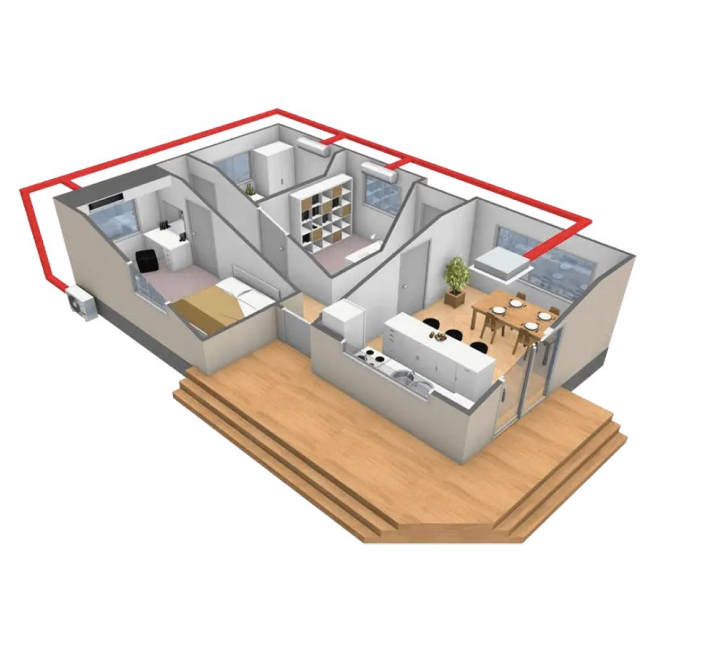
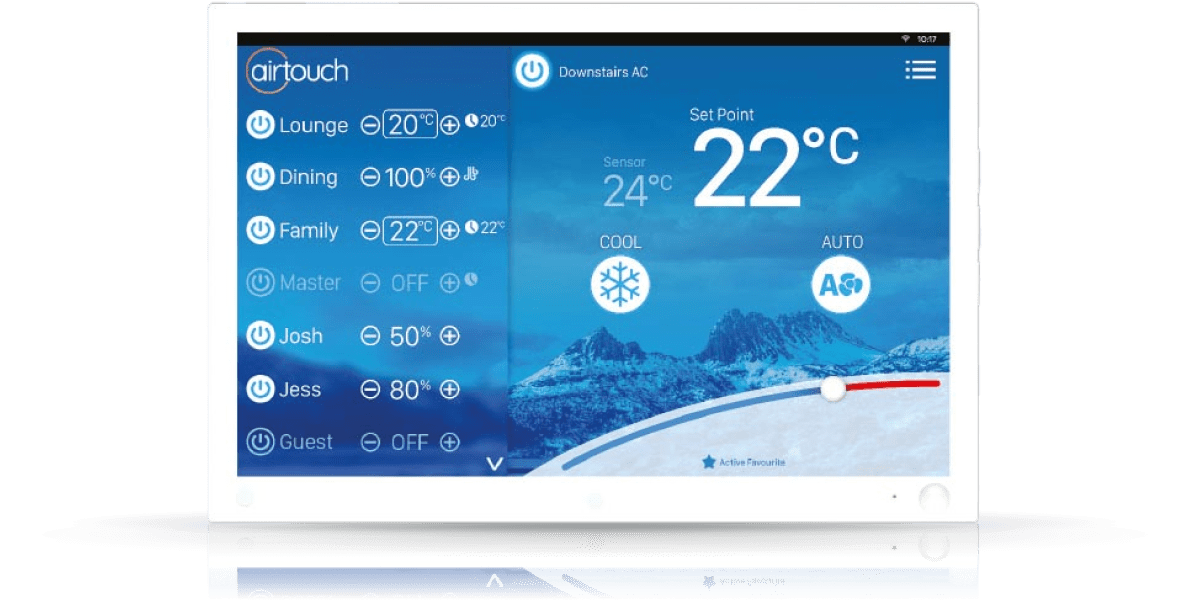
Add your own 2026 job photos here. Below are safe “visual proof” placeholders to show layout and workmanship.
Data + Measurements (simple visual)
This quick chart shows where cost/complexity usually comes from in double brick multi-head retrofits: drilling + routing + electrics + drainage.
This is a planning visual (not a quote). Use the estimator above for a first-pass range, then confirm on-site.