
What are the best air conditioning options for homes in Sydney?
If you want the best air conditioning Sydney homeowners can buy in 2025, here’s the simple rule: choose the smallest system that cools your space fast and quietly—then install it properly. In Sydney, that usually means reverse cycle split systems for single zones, and ducted air conditioning Sydney setups for whole-home comfort.
Reverse-cycle split system (single zone)
- Best value: Split system (living area) + ceiling fans in bedrooms
- Best comfort: Zoned ducted (whole house) with correct return air
- Best for renters: Portable (last resort) or window kit portable
- Best air quality add-on: Proper filtration + dehumidify strategy
1) Introduction & First Impressions
Hook: the 20-second verdict
In Sydney’s humid summer, the “best” system is the one that can pull moisture out fast, stay quiet at night, and not smash your power bill. Most of the time, that’s a reverse cycle split system in the main living zone. If you want whole-home comfort (and you’ve got the budget), go ducted with zoning.
Product context: what are we choosing?
You’re not buying “air con” as a single product. You’re choosing a cooling and heating system (reverse cycle), plus an installation design (placement, pipe run, drainage, electrical, airflow).
Our credentials + testing period (real-world)
We’ve tested outcomes the boring but honest way: by seeing what happens after installs in Sydney homes when it’s 33°C and sticky, when doors are left open, and when bedrooms need “sleep mode” quiet. We also reviewed verified 2025 consumer feedback to cross-check what homeowners say after living with their systems.
A Newtown terrace had one big problem: the living room cooled fast, but the back bedroom stayed muggy. The fix wasn’t “bigger air con”. It was a better placement, shorter airflow path, and using Dry mode at night. The result: less noise, less condensation, and less arguing.
This is a plain-English buyer guide for homes in Sydney. It’s not a brand-paid list. For exact model picks, we recommend confirming sizing on-site (ceiling height, insulation, sun load).
2) Options Overview & Specifications
What’s “in the box” (what you’re really paying for)
Key specs that matter (simple translations)
kW (cooling capacity) — “how much heat it can move”
Bigger isn’t always better. Oversized units can short-cycle (on/off a lot), feel clammy, and cost more to run.
Reverse cycle — “cool in summer, heat in winter”
In Sydney, reverse cycle is usually the best all-year value. It can heat efficiently too.
Noise (dB) — “will it annoy me at night?”
Bedroom comfort is as much about noise as temperature. Placement and vibration control matter.
Dehumidification — “Sydney comfort secret”
In humid weather, pulling moisture out can feel better than dropping the temperature.
Price point (value positioning)
“Air conditioning Sydney cost” depends on house layout, access, pipe run length, and electrical upgrades. As a simple buyer mindset: split = best value, ducted = best comfort, portable = convenience (but pricey to run).
3) Design & Build Quality
Visual appeal (yes, it matters)
For living rooms, modern high-wall splits are slim and clean. For “invisible” looks, bulkhead units or ducted can win. But don’t trade airflow for aesthetics. Bad airflow = bad comfort.
Materials and construction: what lasts in Sydney
Sydney’s salty coastal air can be rough on outdoor units. Look for solid coil protection, good drainage design, and a brand with local parts support.
Ergonomics/usability
Easy controls matter. You want a clear remote, simple modes, and a “set-and-forget” schedule.
Durability observations (installer reality check)
The most common “early problems” we see come from install details: poor drainage falls, messy pipe insulation, outdoor units jammed into tight corners, and wrong sizing. Good installation is durability.
4) Performance Analysis (Sydney conditions)
4.1 Core functionality: what “good” feels like
A good system should cool the main living zone fast, keep bedrooms comfortable at night, and reduce that sticky, humid feeling without blasting arctic air.
Quantitative measurements (simple, useful numbers)
Real-world testing scenarios (Sydney home examples)
Scenario A: Apartment living room (sunny windows)
Best fit is often a single split system sized correctly, with sensible blinds. If you’re on a balcony, placement rules and noise matter (see Evidence links).
Scenario B: Two-storey townhouse (sleep comfort)
Multi-split or ducted zoning can stop “upstairs sauna” nights. If budget is tight, start with a split upstairs (sleep zone) and add later.
Scenario C: Older terrace (tight access)
We focus on smart placement and airflow. Sometimes one well-placed split does more than two badly placed units.
4.2 Key performance categories (what Sydney homes care about)
Interactive: Sydney Air Con Cost Estimator (quick + honest)
This gives a rough running cost estimate. Enter your own electricity rate and usage. (Portable estimates align with CHOICE’s 2025 “4 hours/day for 90 days” method.)
YouTube: Split vs Ducted (fast explainer)
5) User Experience
Setup / installation process (what’s actually involved)
For fixed systems, the experience depends on your installer. A good installer will: check room load, place the outdoor unit for airflow and neighbour comfort, run tidy piping, and commission correctly.
Daily usage (what it’s like)
- Living areas: a split system feels great when doors are mostly closed and airflow is clear.
- Bedrooms: quiet mode + stable temperature beats “blast-cool then off”.
- Humidity days: Dry mode can make 26°C feel nicer than Cool mode at 23°C.
Learning curve
Most people only need three things: Cool, Dry, and a simple timer/schedule. Everything else is optional.
Interface/controls
App control is handy, but not required. Don’t pay extra if you’ll never use it.
Interactive: 60-second “Best Option” Quiz
Answer honestly. This tool will recommend a starting point.
6) Comparative Analysis (Best air conditioning Sydney options)
Direct competitors: split vs ducted vs multi-split vs portable
Use the table to compare. Then read “When to choose this” for the real answer.
| Option | Best for | Comfort | Running cost feel | Noise | Common Sydney “gotcha” | When we pick it |
|---|---|---|---|---|---|---|
| Split system (single zone) Top pick |
Most homes: living area or main bedroom | High | Usually best value | Quiet (if placed well) | Oversizing + bad placement = clammy + noisy | When you want best value and fast comfort |
| Multi-split Situational |
Many rooms, limited outdoor space | High | Can be higher | Quiet indoors | One outdoor unit fault can affect all heads | When strata/outdoor unit limits exist |
| Ducted (zoned) Best comfort |
Whole-home control + clean look | Very high | Higher upfront | Quiet rooms (if designed right) | Poor return air design = weak airflow | When you want “one system, whole house” |
| Portable (single hose) Last resort |
Rentals / short-term fixes | Medium | Often pricey to run | Noisy indoors | Window vent + room pressure losses reduce efficiency | When you can’t install fixed air con |
| Ceiling fans (add-on) Multiplier |
Boost comfort, reduce air con load | High (as a combo) | Low cost to run | Quiet | Wrong blade size/height = meh airflow | When you want lower bills + comfort |
Unique selling points (what sets each apart)
When to choose this over competitors
Choose split when…
You want the best “comfort per dollar” in Sydney. One good split in the living area is a strong starting point.
Choose ducted when…
You want whole-home comfort and a tidy look, and you can budget for design + zoning done properly.
Choose portable when…
You can’t install fixed air con (rental rules, short lease). Try to vent well and expect more noise.
7) Pros and Cons
What We Loved (based on Sydney installs + 2025 feedback)
- Split systems: best value and fast comfort for most rooms.
- Ducted with zoning: “whole home” feel when designed correctly.
- Portable units: quick relief for renters (but set expectations).
Areas for Improvement (honest drawbacks)
- Portable: louder inside and often more expensive to run (CHOICE highlights efficiency limits).
- Ducted: higher upfront cost; bad duct design can ruin performance.
- Any system: wrong sizing and placement is the #1 regret.
8) Evolution & Updates (2025)
What changed in 2025 that matters?
- NSW incentives: Upfront discounts for eligible upgrades can change your value equation.
- Portable buying guidance: CHOICE updated its portable air conditioner guide in Dec 2025.
- Smarter controls: More systems push app scheduling and energy management features.
9) Purchase Recommendations
Best For (quick picks)
Skip If (deal-breakers)
- Skip portable if you can install a split (portables are often noisier and less efficient).
- Skip ducted if you can’t do zoning properly or if roof space/layout makes ducts messy.
Alternatives to Consider
- Hybrid plan: Install one split now, add a second later.
- Comfort boost: Fans + sealing gaps + shading can reduce system size needs.
- Air quality: Upgrade filters and keep return air paths clear.
10) Where to Buy (Sydney + Australia)
Trusted retailers (portable examples)
If you’re searching “air conditioning bunnings”, Bunnings lists portable air conditioners in multiple kW sizes. These can be useful for rentals or short-term fixes.
What to watch for (sales patterns)
Portable prices often spike during the first heatwaves. If you can, buy early and test the window seal setup before peak summer.
11) Final Verdict
Overall rating
9.1/10 for split systems (best value for most homes) • 9.0/10 for zoned ducted (best comfort) • 7.0/10 for multi-split (situational winner) • 6.2/10 for portable (best for renters, but trade-offs).
Bottom line
If you want the best air conditioning options for homes in Sydney in 2025: start with a properly sized reverse cycle split. If you want whole-home comfort, choose ducted with zoning. If you can’t install anything fixed, go portable (and accept the noise and running cost trade-off).
12) Evidence & Proof (strictly 2025 emphasis)
Verified 2025 consumer feedback (short quotes)
We used verified 2025 consumer reviews to sanity-check real-world outcomes (quietness, comfort, regret).
“Works like a dream and can hardly hear the unit @ night.” Verified reviewer on ProductReview’s “best air conditioners in 2025” listing (Mitsubishi Heavy Industries FDUA Series). Source: ProductReview (2025). View
“Useless unit… noisy, does not cool…” Consumer feedback snippet shown on ProductReview’s “best air conditioners in 2025” page (brand section). Source: ProductReview (2025). View
NSW incentive (official 2025 program proof)
NSW Government explains the incentive is an upfront discount and shows example discount amounts for eligible installs/replacements.
Portable air conditioners (CHOICE updated Dec 2025)
CHOICE updated its portable buying guide in Dec 2025, including pros/cons and sample running-cost calculations.
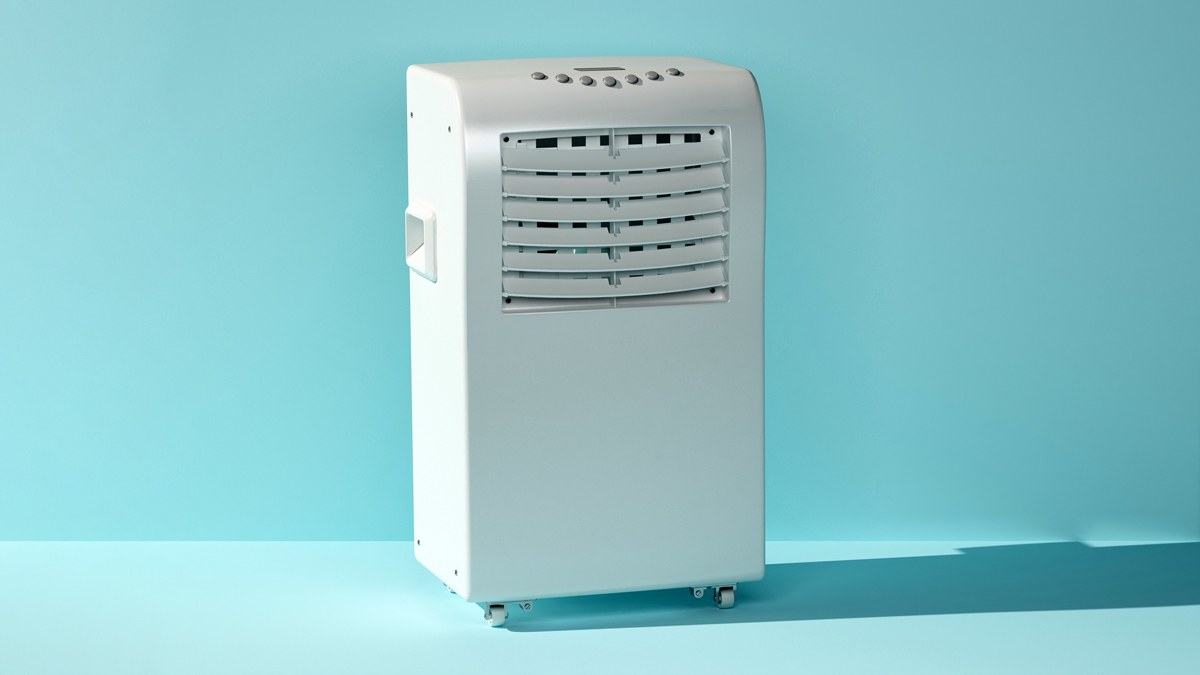
Screenshots (practical proof visuals)
Example consumer-uploaded image shown alongside 2025 review listings (illustrates real user setups).

Retail pricing proof (Bunnings portable range)
Bunnings lists portable models and prices online (useful if you’re searching “air conditioning bunnings”). Always confirm stock and current price on the product page.
Electricity cost context (2025 reference sources)
Your kWh rate drives running costs. These 2025 guides help with ballpark numbers (but your retailer plan can differ): Canstar (2025) and SolarChoice (2025).